
Fueling for Runners: Are Old Food Rules Tanking Your Training?
Am I the only one who still has flashbacks from the fat-free and low-carb eras?
Recently, I was putting together a Running Nutrition Strategy Guide for a client training for a 50K, and as I entered her calorie and macro recommendations, I had a moment. Because even though I know what it takes to fuel a body for endurance training, recommending that many carbs can still feel a little daunting.
That’s how deep those old food rules run.

But here’s the truth: runners don’t just need fuel during the run. We need fuel all week long.
The meals you eat on regular training days — the rushed breakfasts, the thrown-together lunches, the “what can I make in 10 minutes?” dinners — are part of your training too. And yes, that includes plenty of carbs.
Those everyday meals support your energy, recovery, mood, strength, hormones, and ability to show up ready for the next run.
So this month, we’re talking about fueling in real life. Not perfect meals. Not complicated meal plans. Just practical ways to eat enough, include the carbs, build easy meals, and support the work you’re asking your body to do.
A bigger breakfast can be a good thing
When we were growing up, we always heard that “breakfast is the most important meal of the day.” But somewhere along the way, a lot of us started ignoring that bit of wisdom.
In our busy, rushed lives, breakfast became coffee and maybe a muffin as we ran out the door.
Or we started eating a tiny breakfast to “save calories” for later in the day. Don’t even try to deny it. We’ve all done it.

But breakfast is a huge missed opportunity for a lot of runners.
If you’re training hard, breakfast can help set the tone for your energy, cravings, and recovery. It’s a chance to give your body protein and carbs early in the day, instead of asking it to run, work, think, recover, manage stress, and be pleasant on fumes.
When you try to “keep it light” all day, you run the risk of spending your evening trying to tear yourself away from an open refrigerator. And when you regularly skip breakfast or undereat early in the day, your body will eventually start sending stronger hunger signals that get harder and harder to ignore.
That’s not a willpower problem. That’s a fueling problem.
A runner-friendly breakfast doesn’t have to be fancy, but it does need to be more than caffeine and vibes.
A few ideas:
Oatmeal with protein powder
Eggs and turkey bacon on a bagel
Egg casserole with toast
Leftovers, because who says breakfast has to be “breakfast food”?
Fueling for runners: Add fuel gradually, especially carbs
Even though a nutrition coach telling you that you may need to significantly increase your carb intake can sound like an early Christmas present, it’s usually best to take things slowly.
Immediately jumping from a lower-carb diet, or even a “normal” amount of carbs, to a way of eating that better supports endurance training can cause havoc on your GI tract. Your body may need time to adjust, and your brain may need time to adjust too.
You don’t have to overhaul your diet in one day.

Increasing protein and carb intake gradually as your mileage builds can be a great approach for both your mindset and your body.
You might try:
Adding one carb serving to breakfast and/or lunch for a week, then adding one more the next week
Adding a carb-heavy afternoon snack
Adding carbs to dinner instead of sticking with only protein and vegetables, if that’s your current pattern
As you increase your overall fueling, pay attention to your energy, mood, cravings, recovery, and run quality. The goal is to help you feel better fueled and better supported, not worse.
Fueled is better than perfect
Training for a big race can be overwhelming, especially the deeper you get into your training block.
Speed workouts, easy runs, hill repeats, long runs, strength training, mobility work, stretching, recovery — it adds up fast. You’re trying to hit the paces, finish the repeats, get enough sleep, manage regular life, and somehow also figure out what’s for dinner.
Add in trying to eat more carbs, get breakfast every day, and plan something besides popcorn for dinner, and it can start to feel like too much.
Here’s the thing: you don’t have to be perfect.
Your meals don’t need to be perfect.
You just need enough food, consistently. That’s the first goal. Once that feels more doable, you can fine-tune the details like carb goals, protein targets, meal timing, and meal balance.
Set yourself up for success by keeping foods on hand that help you fuel your body quickly and easily. Not everything needs to be made from scratch, and after a long day at work, cooking a full meal from scratch may not be happening. That doesn’t mean dinner is doomed.
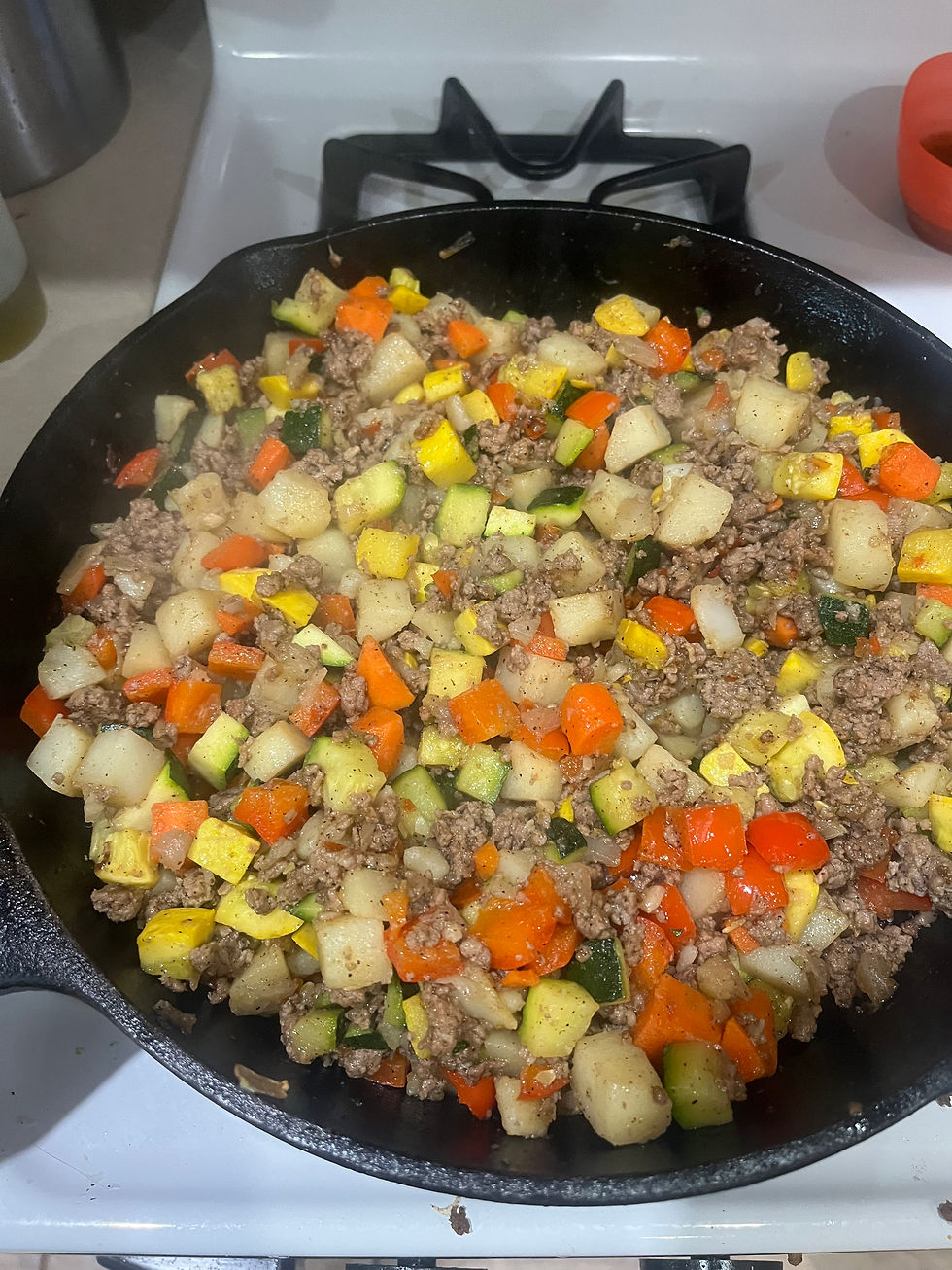
So let’s be real:
Rotisserie chicken is amazing
Frozen meatballs are great
Slow cooker shredded chicken can be your best friend
Sandwiches can absolutely be a real meal
Rice bowls with veggies and protein are easy and filling
Canned chicken is perfectly fine
Leftovers can be a lifesaver
Pre-prepared, ready-to-cook grocery store meals can be a great option
Don’t discount an option because it’s not “Instagram-worthy.” Your body does not care whether dinner came from a scratch-made recipe, a slow cooker, a freezer bag, or a grocery store shortcut.
Fueled is better than perfect.
Your everyday meals are part of your training plan
Old food rules can make eating enough feel uncomfortable, especially when endurance training asks you to eat more than you’re used to.

But your body is doing a lot. It’s running, recovering, adapting, building strength, managing stress, and still carrying you through the rest of your life.
It’s okay to let those old rules go.
Fueling in real life means building meals that are practical, repeatable, and supportive — not necessarily perfect. Because the goal isn’t to eat flawlessly. The goal is to fuel well enough to keep showing up for the training, the recovery, and the life you actually have.


Comments