
Race Day Fueling Starts Before Race Day

Race day gets a lot of attention. What are you eating for breakfast? How are you fueling during the race and when should you start? Have you been hydrating enough?
Here’s the thing—race day nutrition doesn’t start when the alarm clock goes off, or even with your “carb loading” pasta dinner two nights before. By that point, dozens of nutrition decisions should already have been made.
Your fueling plan should already be familiar

In last month’s blog post “Fueling is a Skill”, we talked about practicing your race day fueling throughout your training. By the time race day approaches, you should know what works, what doesn't, how much you can tolerate, and if foods hit differently at different times during your run.
As you’re heading into the race, this isn’t the time to reinvent the plan. Remember the adage “nothing new on race day.”
Don't accidentally underfuel during taper
As your mileage drops during taper, your hunger may change. It’s easy to assume that because you’re running less, you should dramatically cut back on how much you’re eating. But taper isn't the time to start restricting your food.
Your body is recovering from a huge training block and preparing for race day. No matter what your Garmin tells you about being “unproductive”, your body is busy repairing muscles and needs nourishment.
You are undercutting your recovery if you start skipping meals or assume good nutrition doesn’t matter when the mileage drops. Protein, carbs, and enough overall calories are still your best friends right now. And all those veggies will give your body the nutrients it needs to thrive as you toe the start line.
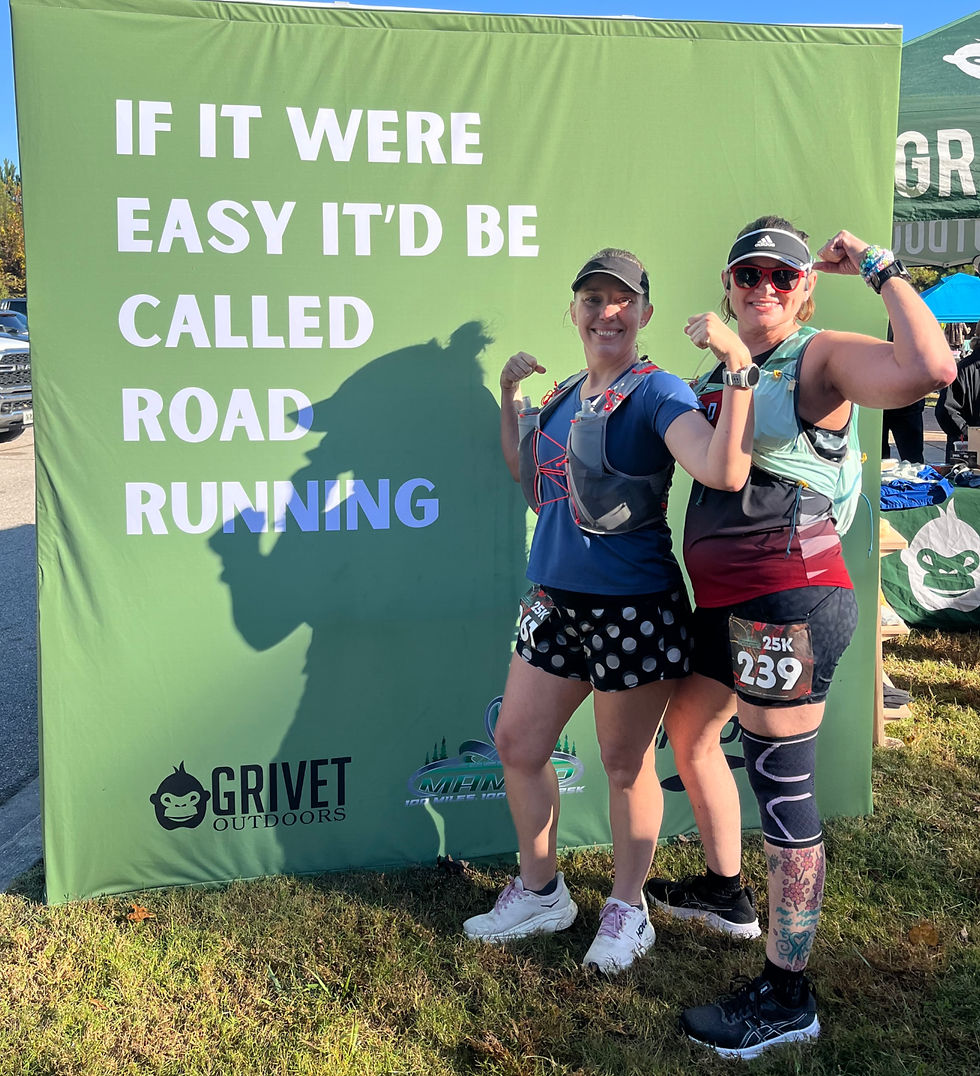
Carbohydrate availability doesn't begin with the pasta dinner
Your body’s ability to tolerate increased carbohydrate intake matters going into a race. If you haven't practiced taking in enough carbs throughout your training, suddenly loading up on them right before your race could backfire.
You need to train your gut just like you train your legs, heart, and mind. Increasing carbohydrate intake during your long runs not only gives your body the fuel it needs for all those miles, it also gives your gut practice handling the amount of carbohydrate you plan to use on race day.
The goal isn't to surprise your digestive system with a giant bowl of pasta and hope for the best. Carb loading is really about making sure your glycogen stores are topped off before you start—not trying to cram as many carbs as possible into one pre-race meal.
The hours before the race should be boring
Nerves will probably be sky-high before the race, so this isn’t the time for nutrition creativity. You’ve practiced your pre-race meal—breakfast for most races, dinner if you're crazy like me and voluntarily starting a 100K at 7 p.m. You’ve figured out what to eat during your run and how much. You know when you’ll start eating. You’ve packed all your stuff. Let all the hard work you’ve put in over the previous months shine through and execute your plan. No thinking required.
You’ve got this.


Comments